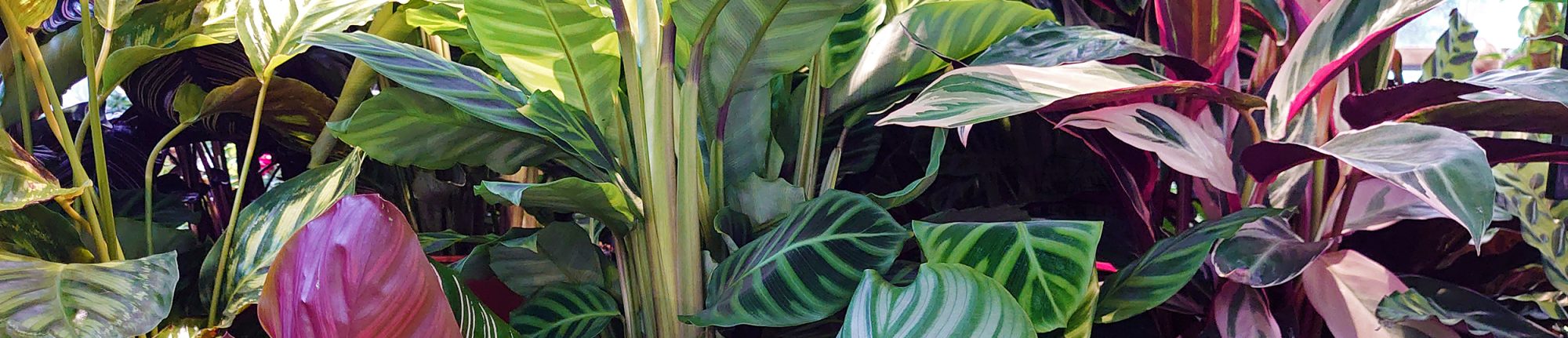
Flowering plants and shrubs are a fantastic way to add vibrant colors to your fall garden. Don’t get me wrong, I like watching trees change color as much as the next person. But as the days get colder and darker, there’s something uplifting about seeing flowers continue to bloom until the first frost — or even the first snow.
So if you’re also looking to brighten your mood and your garden, here are my top 15 picks for fall outdoor flowers that will do just the trick.
1. Chrysanthemum
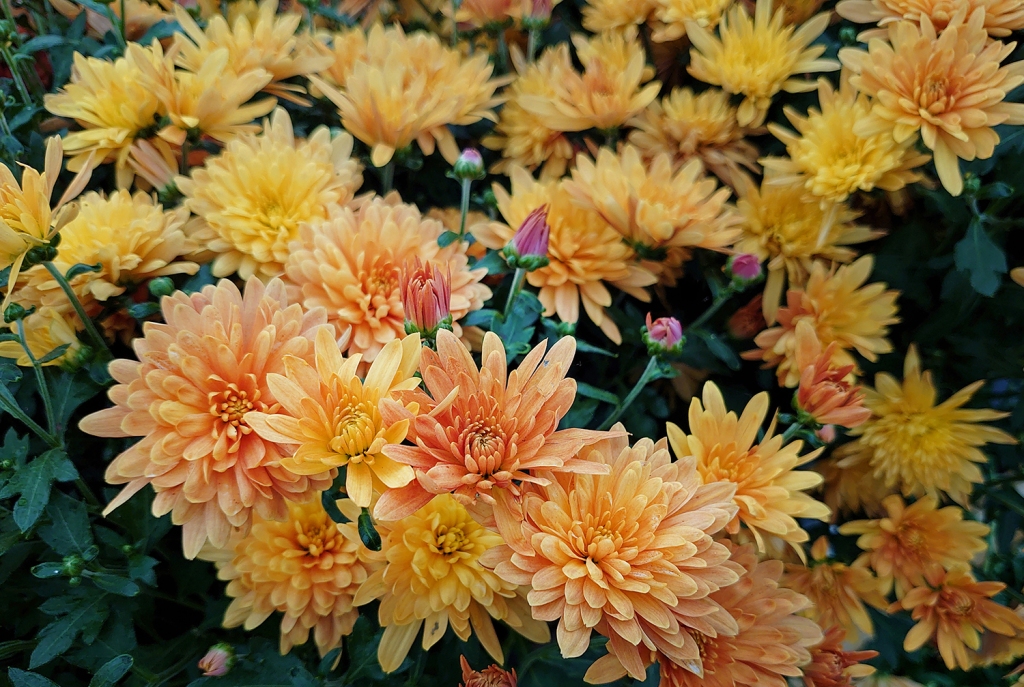
Chrysanthemums or Mums are the first plants that come to mind when I think of a fall flower garden. These plants symbolize death and mourning in several countries, from France and Italy to Japan. But despite their grim symbolism, they’re my top choice for a late-season flower garden.
Mums bloom from September until November, but late-flowering varieties will bloom as late as December. Deadhead them regularly to encourage repeat flowering.
USDA hardiness zones: 4 to 8; hardy to 23°F (-5°C);
Sun requirements: full sun; can tolerate partial shade but will produce fewer flowers;
Soil requirements: well-draining, loamy soil, with a neutral pH;
When to plant: sow seeds in June or July; transplant nursery-bought plants in the spring, after the last frost has passed.
2. Aster
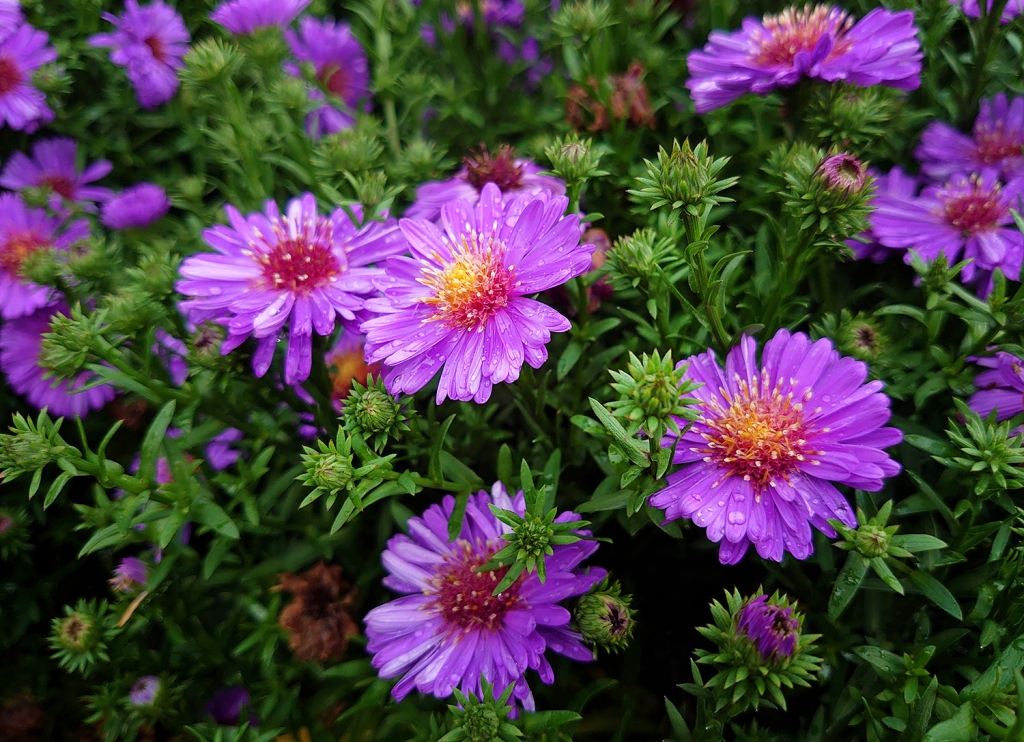
Also known as the Michaelmas daisy, asters bloom from late summer until mid-fall. They come in a wide range of colors, from white to pink and blue, but the purple varieties are the most iconic. Fuss-free and resilient, asters will grow in any sunny spot where the ground has recently been disturbed.
Here in the UK, I often see them blooming on the side of motorways. So if they can grow 5 feet away from speeding traffic, they’ll definitely have a great time in your garden. Remember to deadhead spent flowers regularly, but let some of the last blooms go to seed and self-sow.
Botanical name: Aster amellus
USDA hardiness zones: 5 to 8; hardy to 30°F (-1°C);
Sun requirements: full sun to partial shade
Soil requirements: unpretentious, can tolerate sandy, clay, slightly acidic, or slightly alkaline soils; needs good drainage;
When to plant: propagate from seed, cuttings, or plant division in early spring, two weeks after the last frost.
3. Fall Crocus
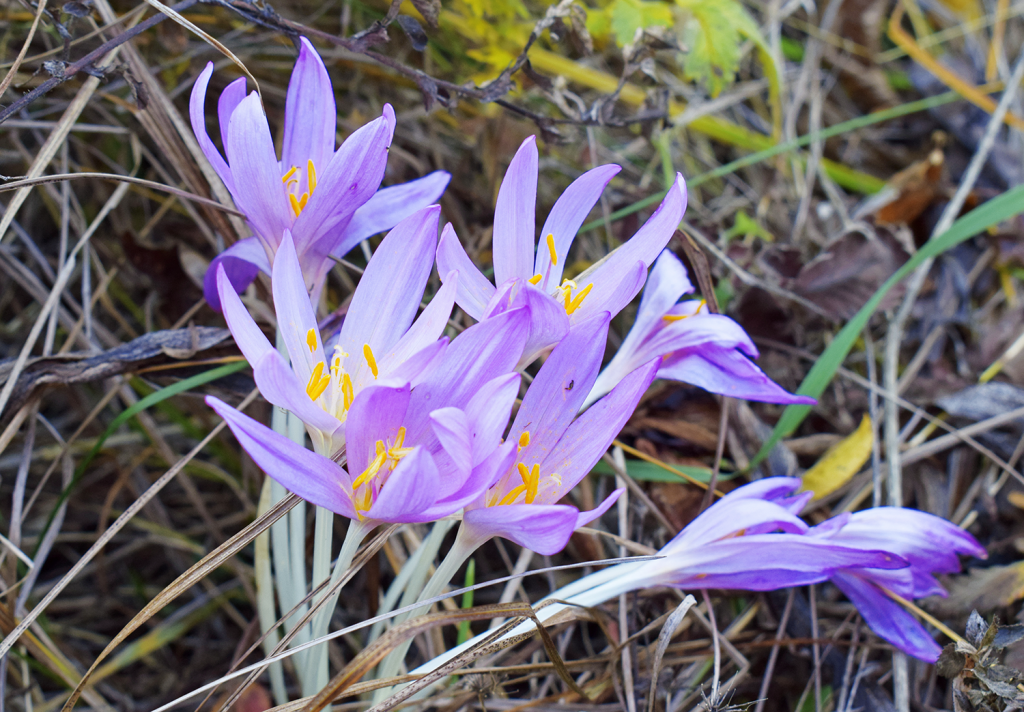
Fall crocuses are one of the most intriguing autumnal flowers. They don’t tolerate high temperatures and will spend the warmer months of the year ‘sleeping’ underground. But come September, they will come alive with a flush of pink and lavender blooms. Unlike most flowers, they bloom before they grow leaves, so for a few weeks, they will simply look like flowering stalks poking out of the bare ground.
Botanical name: Colchicum autumnale
USDA hardiness zones: 4 to 8; hardy to 30°F (-1°C);
Sun requirements: partial shade;
Soil requirements: well-draining, moisture-retentive, sandy loam;
When to plant: plant from corms in mid to late summer; divide corms every 3 years.
4. Japanese Anemone

Japanese anemones flower from late summer until mid-fall. One of the best fall-blooming perennials, they can grow up to 5 feet tall (1.5 meters), and produce abundant clusters of white and pink flowers. Popular with pollinators as well as gardeners, they’re a fantastic choice if you’re looking for a showy flowering shrub that’s also resistant to pests, slugs, deer, and rabbits.
Botanical name: Eriocapitella hupehensis
USDA hardiness zones: 4 to 8; hardy to 30°F (-1°C);
Sun requirements: full sun to partial shade;
Soil requirements: nutrient-rich, well-draining, moisture-retentive soil; benefits from regular mulching;
When to plant: early spring or early fall; propagate through plant division in the spring.
5. Cyclamen
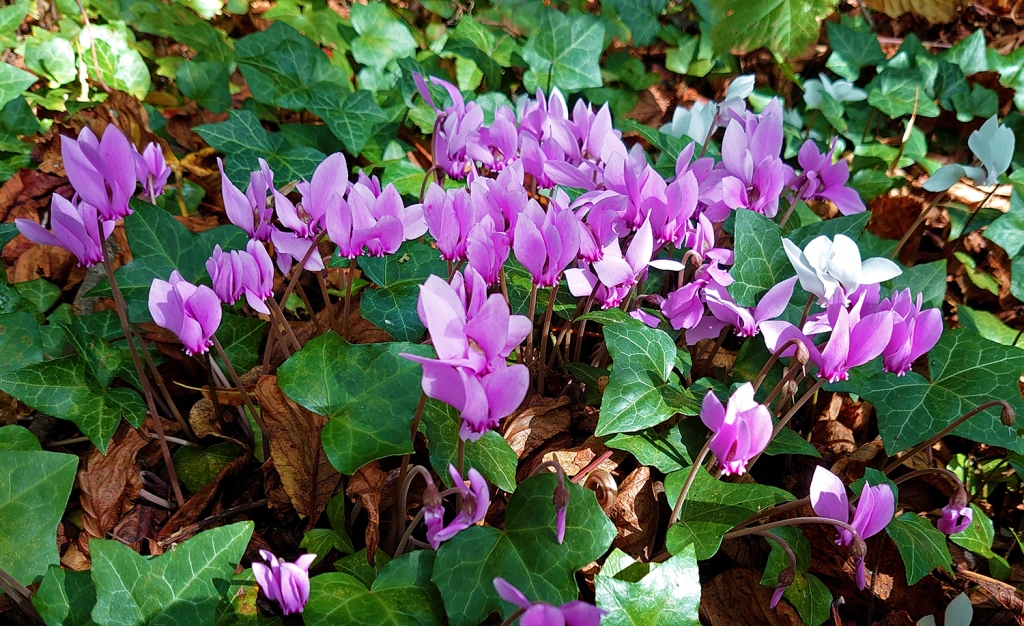
- Hardy Cyclamen
There are several varieties of cyclamen, but the only one that blooms in the fall is C. hederifolium or the ivy-leaved cyclamen. This species blooms from late summer until October and produces large, vibrant pink flowers. It’s a prolific perennial that spreads easily through tubers, and can live for up to 20 years. Here in the UK, it grows as a wildflower in woodlands and even in people’s gardens.
Now, I should point out that the variety you’re most likely to find with garden centers and big-box retailers is Cyclamen persicum. This species usually blooms in winter, from January until early March. Although positively dashing, it is a houseplant, and will not survive if you plant it in the garden. So if you want a hardy cyclamen, go for a hederifolium instead.
Botanical name: Cyclamen hederifolium
USDA hardiness zones: 5 to 8; hardy to 50°F (10°C);
Sun requirements: partial shade to full shade;
Soil requirements: well-draining, moisture-retentive loam;
When to plant: sow from bulbs in the fall and they will bloom the following year; transplant nursery-bought plants in the fall.
6. French Marigold

The versatile marigold is a must-have in any garden. It blooms from summer until mid to late fall, depending on when the first frost hits. Remove spent flowers regularly, but let some go to seed so you can sow them the following year. This gorgeous flowering shrub is deer and rabbit-resistant, plus it’s a fantastic companion plant, repelling aphids and whiteflies.
Botanical name: Tagetes patula
USDA hardiness zones: 2 to 10; hardy to 40°F (4.4°C);
Sun requirements: full sun, but can tolerate some partial shade;
Soil requirements: loamy, sandy; can tolerate clay soil if you add compost and other organic matter to improve drainage;
When to plant: sow seeds indoors in early spring and transplant them outside at least two weeks after the last frost.
7. Nemesia
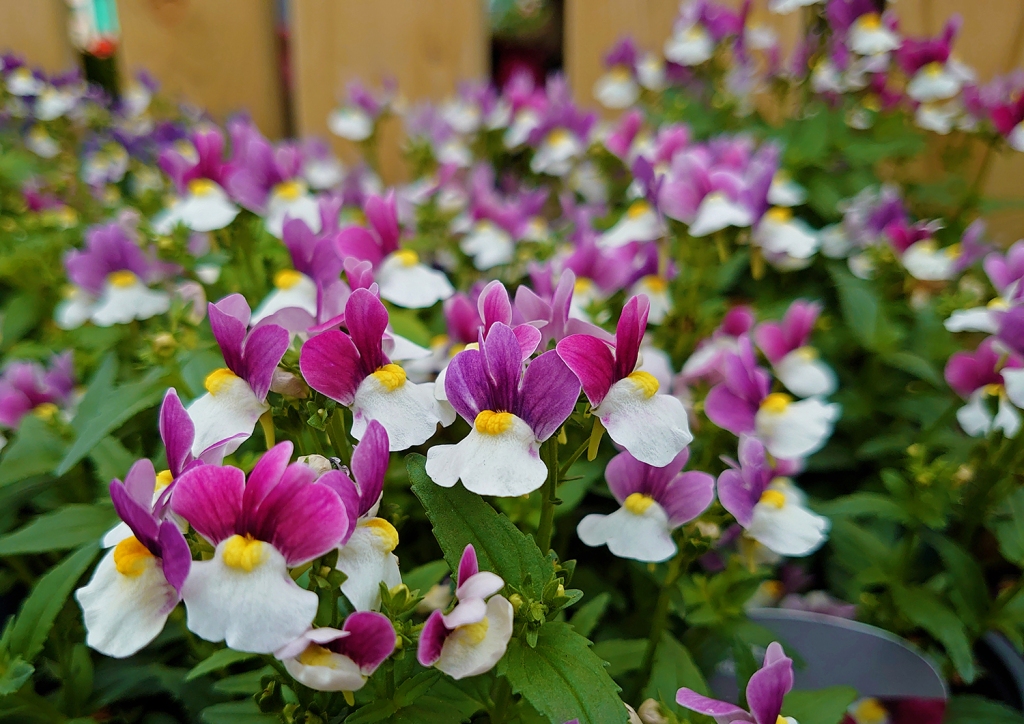
A wonderful choice for borders, nemesia blooms from late spring until late fall. You can find it in a wide range of colors, but I personally have a soft spot for the bicolor cultivars with a yellow ‘tongue’, such as ‘Berries and Cream’ and ‘Rhubarb and Custard’. Trim them regularly to maintain a shrubby, compact look, and remove the spent flowering stalks to encourage repeat blooming.
USDA hardiness zones: 2 to 8; hardy to 34°F (1.1°C);
Sun requirements: full sun to partial shade; however, I’ve had no problems growing it from transplants in full shade;
Soil requirements: well-draining, slightly acidic, nutrient-rich soil;
When to plant: start seeds indoors one month before the last frost, then transplant young plants outdoors at least two weeks after the last frost.
8. Dahlia
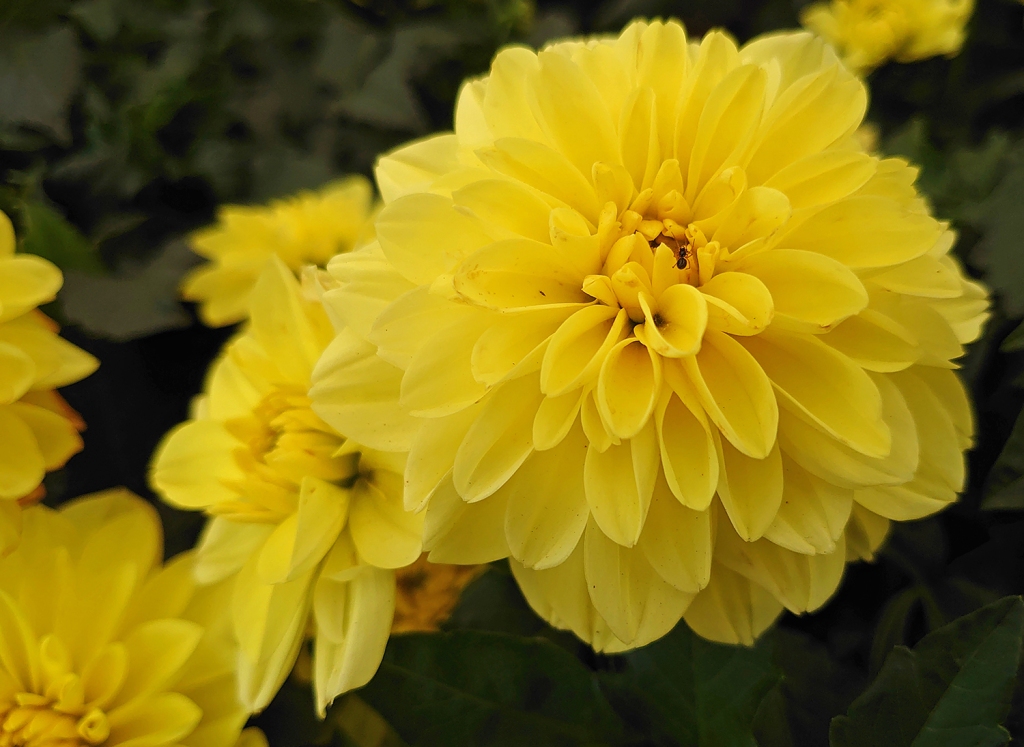
Dahlias may not be the first plant that comes to mind when you think of a fall flower garden. But with a bit of tender loving care, they will bloom from mid-summer until late fall. They come in a spectacular array of colors and textures, and combine stunning looks with low maintenance. Just remember to deadhead spent flowers regularly, then dig up and overwinter the bulbs after the plants finish flowering.
USDA hardiness zones: 8 to 11; will not tolerate temperatures below 50°F (10°C);
Sun requirements: full sun, but some varieties can tolerate partial to full shade;
Soil requirements: well-draining but moisture-retentive soil with lots of organic matter;
When to plant: start tubers indoors in early spring or plant tubers directly in the garden soil in late spring.
9. Hardy Fuchsia

One of the most popular flowering shrubs (and definitely a personal favorite), fuchsias will bloom abundantly from early summer until late fall. These incredibly hardy plants won’t mind low temperatures and can produce flowers until the first hard frost of the season. Plus, the frost-bitten leaves can create an eye-catching contrast with the drooping clusters of pink, purple and white blooms.
Botanical name: Fuchsia magellanica
USDA hardiness zones: 6 to 9; hardy to 23°F (-5°C);
Sun requirements: full sun to partial shade;
Soil requirements: moist but well-draining soil amended with plenty of organic matter;
When to plant: transplant small plants to the garden from early to mid-summer.
10. Heather
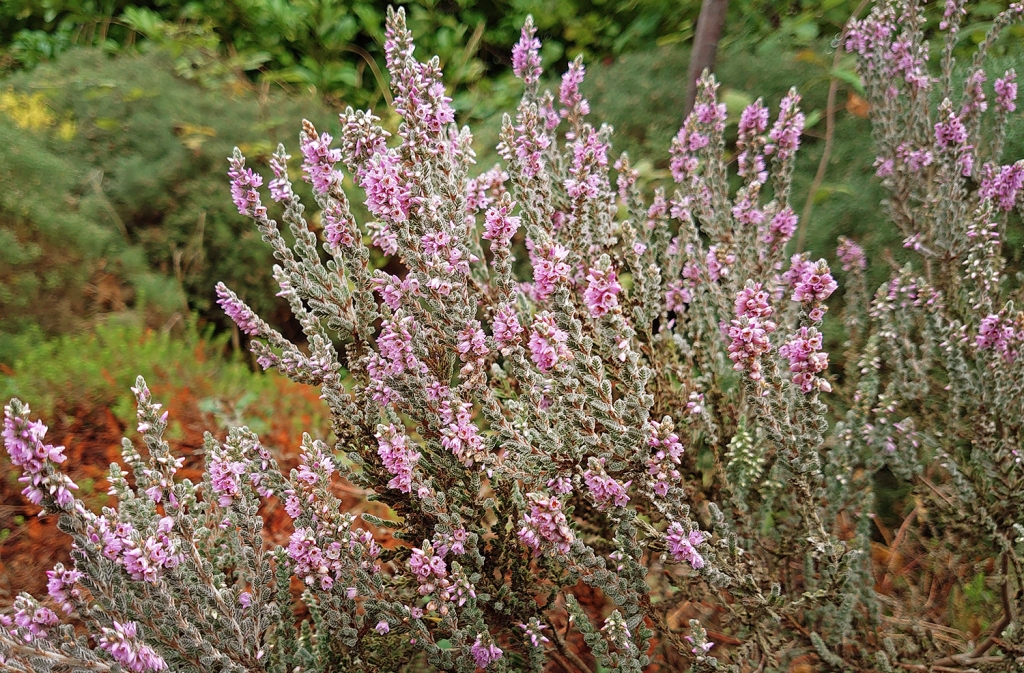
Low-maintenance and remarkably frost-hardy, heather starts blooming from early until late fall. In Scotland, its native country, it can start blooming as early as August — chances are you can see it bloom just as early if you live in a similar climate. This shrub can become bare and leggy after a few years. To encourage healthy growth, prune it regularly in early spring or after it finishes blooming in the fall, but avoid cutting the woody stems.
Botanical name: Calluna vulgaris
USDA hardiness zones: 4 to 7; hardy to -10°F (-23°C);
Sun requirements: full sun to partial shade;
Soil requirements: well-draining, acidic soil;
When to plant: transplant small plants into the garden in spring, so that they have plenty of time to establish.
11. Rose
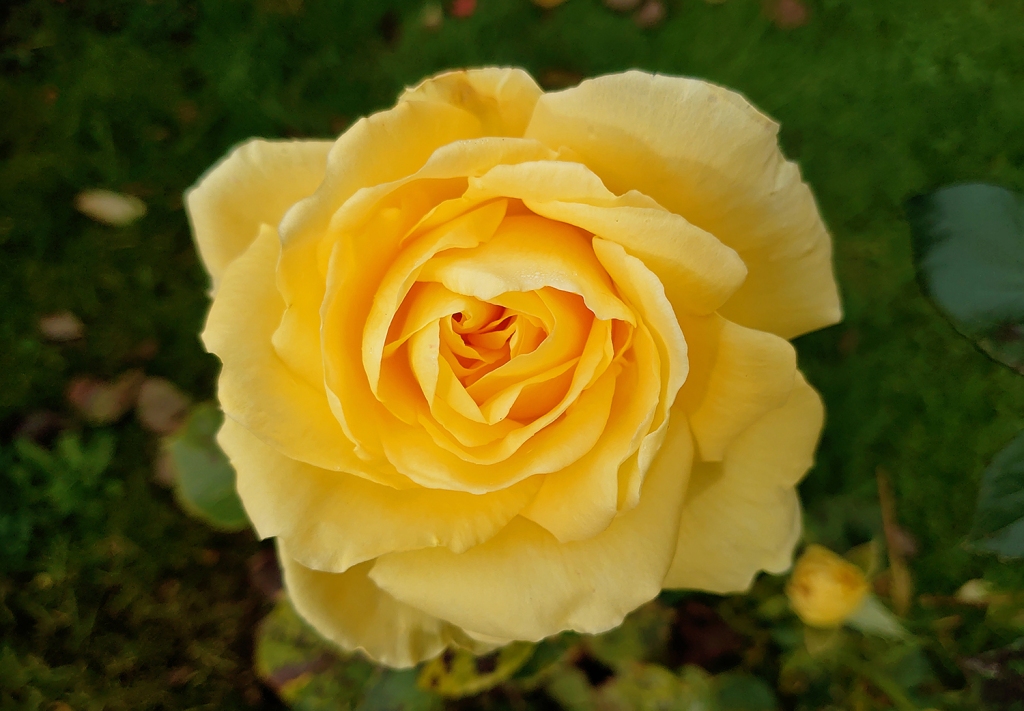
Roses are one of the most reliable flowering shrubs. They start blooming in late spring and will continue to flower until the first frost. There are very few things that can stop roses blooming, even when they’re young. My rose bush (pictured above) was grown from a bare-root plant in April, and it’s still stubbornly putting out new buds despite the cold November weather and the fact that it’s suffering from a pretty nasty case of black spot (sorry about that, lil fella, I promise I’ll look into it).
USDA hardiness zones: 4 to 9;
Sun requirements: full sun;
Soil requirements: well-draining, moisture-retentive, neutral soil amended with lots of organic matter;
When to plant: plant bare root roses in the spring, at least two weeks after the last frost.
12. Rudbeckia
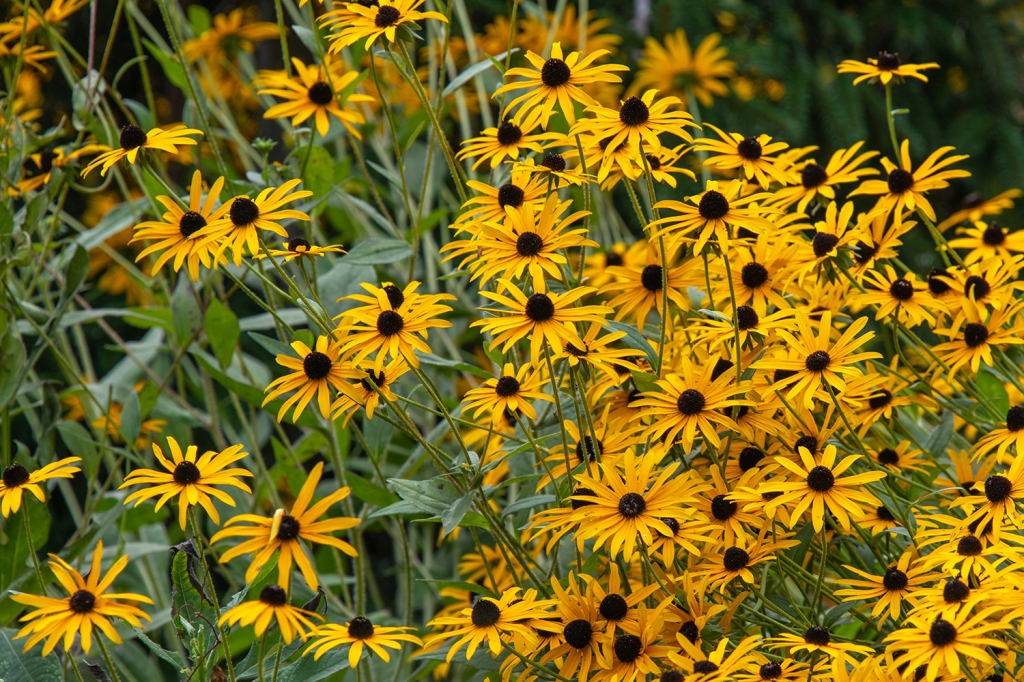
Also known as Black-Eyed Susan, this daisy-like flower blooms from late summer until late fall. Available in varying shades of yellow, orange, and red, it is a popular choice for pollinator gardens, and can also attract hummingbirds. Rudbeckia can be either annual or perennial, depending on the variety. Luckily, it self-sows easily, so it will come back in the spring even if you’ve planted an annual cultivar.
USDA hardiness zones: 4 to 6;
Sun requirements: full sun; can grow in partial shade but will produce fewer flowers;
Soil requirements: nutrient-rich, moist soil;
When to plant: transplant into your garden in early spring or as soon as the soil is easy to work with.
13. Butterfly Bush
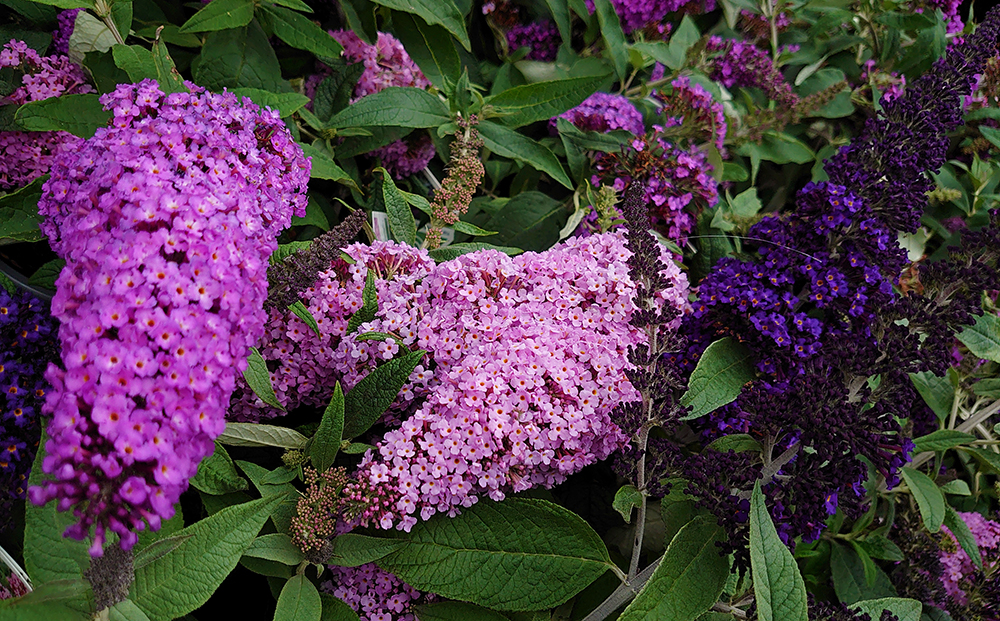
The butterfly bush typically blooms from late summer until mid fall. Here in the UK, I often see it flowering as late as November. As the name suggests, it is very popular with pollinators, especially butterflies and bumblebees. Hardy and fast-growing, it can become invasive through self-sowing. To keep its spread in check, try planting hybrid, non-invasive cultivars instead.
Botanical name: Buddleja davidii
USDA hardiness zones: 5 to 9; hardy to -4°F (-2°C);
Sun requirements: full sun;
Soil requirements: moist, well-draining soil; can tolerate slightly acidic and slightly alkaline soils;
When to plant: transplant to the garden in spring or in early to mid-fall.
14. Cosmos
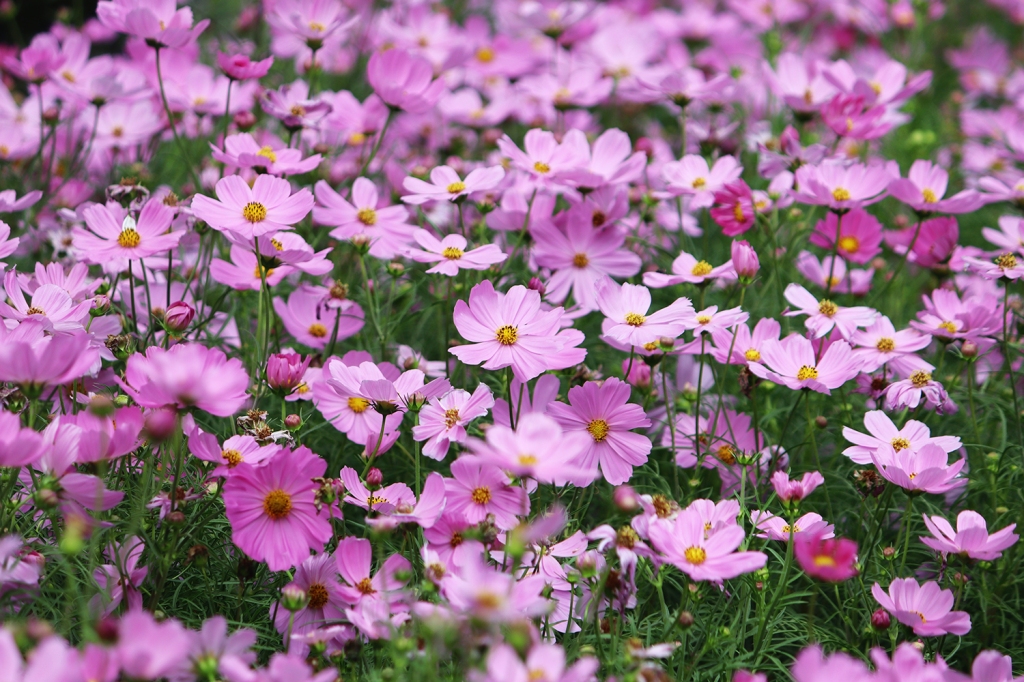
Cosmos are quintessential summer flowers. These frost-tender annuals start blooming in early summer and thrive during the hot, sunny months. But if you feed them and prune the spent flowers regularly, they will continue to bloom until the first frost.
USDA hardiness zones: 2 to 11
Sun requirements: full sun;
Soil requirements: well-draining but moisture-retentive soil;
When to plant: direct sow seeds in late spring or at least two weeks after all danger of frost has passed.
15. Pansy
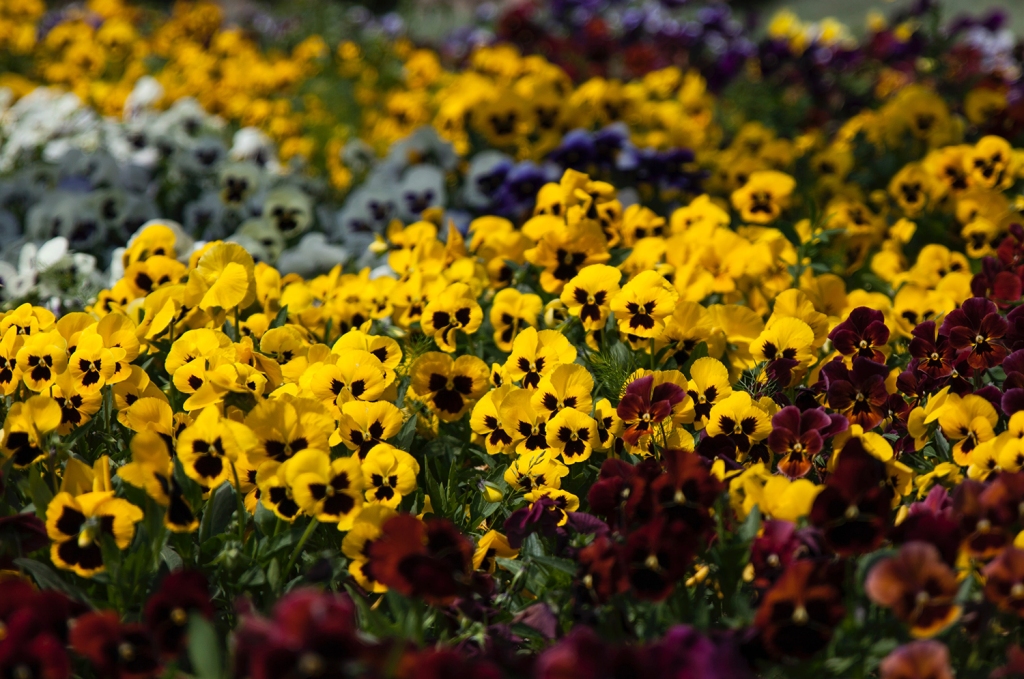
Don’t let the name fool you: pansies are not as delicate as they seem. These cool-weather flowers can tolerate a light frost, and can even survive a bit of snow. They usually bloom in the spring, but if you plant them in the fall, they can continue to bloom until a hard frost kills them off. For a longer flowering season, try growing them from nursery-bought plants rather than seeds.
USDA hardiness zones: 4 to 8; hardy to 25°F (-4°C);
Sun requirements: full sun to partial shade;
Soil requirements: moist, well-draining, slightly acidic soil;
When to plant: transplant into the garden soil from late summer until mid-fall.
 Something About Plants