If you’re anything like me, then you probably have a love-hate relationship with plants. You love the idea of having beautiful plants in your home or office, but you hate the fact that most of them require constant care and attention.
Thankfully, there are a few plants that are very easy to care for, and Neon Pothos is one of them! This plant does well in a bright, but not direct, sunlit spot and can be watered frequently, but don’t overwater it!
In this article, I’ll give you a care guide for Neon Pothos plants, as well as tips on how to propagate them. I’ll also discuss some of the common problems that Neon Pothos plants can experience, and provide solutions for each problem.
What is Neon Pothos?
Neon Pothos is a popular, low-maintenance houseplant known for its vibrant, neon-colored leaves. It is a cultivar of the Devil’s Ivy plant, and belongs to the Epipremnum genus, which includes some of the most common and beginner-friendly houseplants.
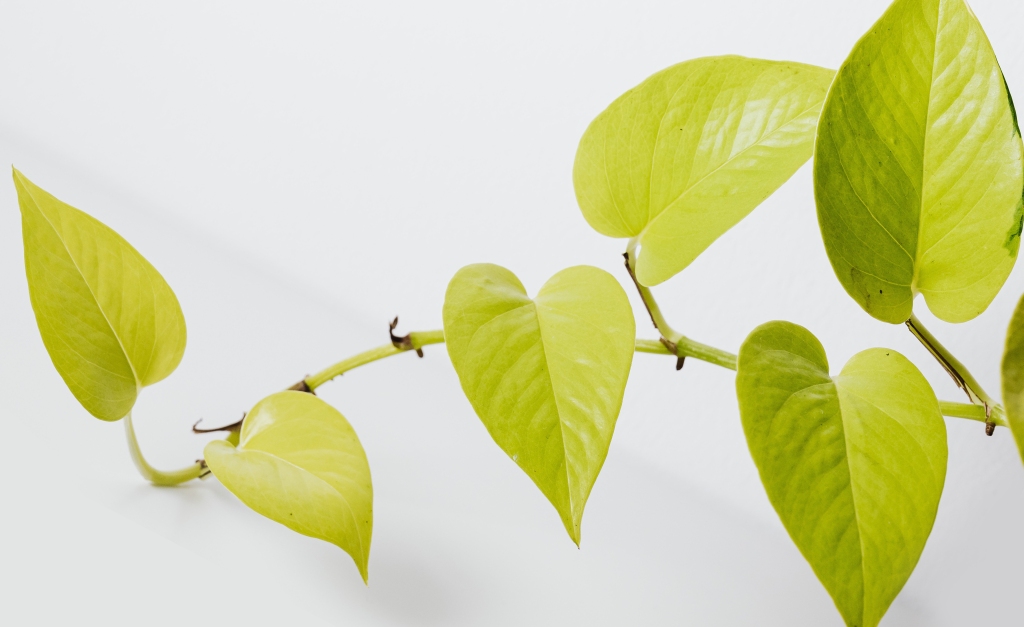
Native to tropical areas in Southeast Asia and Pacific Islands, Neon Pothos grows best in bright, indirect sunlight and prefers consistently moist soil. Its heart-shaped leaves can grow up to six inches in length and can range in color from golden yellow to chartreuse or lemon green.
In addition to its attractive appearance, Neon Pothos is also known for its air purifying abilities. It is a highly effective natural air filter, removing toxins such as formaldehyde and benzene from the air.
When cared for properly, Neon Pothos can continue to grow and thrive for years. In fact, it has even earned the nickname “the perpetual plant” due to its resilient nature and ability to regrow after being cut back or pruned.
This versatile plant can be grown on a trellis or hanging basket as a trailing vine, or allowed to grow upright on a table or shelf as a bushy potted plant. Its vining nature also makes it a perfect choice for adding a pop of color to terrariums or mixed planters with other varieties of tropical foliage plants.
How to take care of a Neon Pothos Plant
If you’re looking for an easy-to-care-for houseplant, the Neon Pothos is a great option. This plant does well in bright light but not direct sun, and can be watered frequently without being overwatered.
Here are some tips on how to take care of your Neon Pothos plant.
Light requirements
In terms of light requirements, Neon Pothos can tolerate a wide range of lighting conditions, from low to bright indirect light.
However, for the best foliage color and growth, it is recommended to give this plant bright indirect light. This can be achieved by placing the plant near a window facing east or west, where it will receive several hours of direct sunlight each day.
While the leaves can tolerate some direct sun exposure without getting sunburned, it is important to not overexpose the plant to direct sunlight as this can lead to leaf scorching.
When given bright indirect light, the leaves will have a vibrant neon green hue. In lower light conditions, the leaves may turn a duller green shade.
In addition to promoting vibrant foliage color, providing bright indirect light also helps with encouraging faster and fuller growth in Neon Pothos plants. The leaves will grow larger and closer together, giving the plant a fuller and more bushy appearance. On the other hand, low light can result in leggy growth with sparse foliage.

Soil requirements
When it comes to soil requirements, Neon Pothos is not overly picky but they do prefer a nutrient-rich mixture that offers good drainage.
A combination of universal potting soil and perlite is a great option, as it provides both essential drainage and moisture retention. Including some orchid bark and worm castings in the mix can also provide an extra boost of nutrients for your plant.
It’s important to avoid constantly soggy soil, as this can lead to root rot.
Watering requirements
When it comes to water requirements, the Neon Pothos is relatively low-maintenance. It is important to water the plant when the top 2 inches of soil feel dry to the touch, giving it a deep and thorough soak until water can be seen dripping from the drainage holes. However, this plant can tolerate periods of slight drought, so occasional missed waterings will not harm it.
It is important to avoid underwatering on a regular basis, as this can cause stress to the plant and even lead to root rot. The Neon Pothos also benefits from monthly misting with lukewarm water, as this helps increase humidity and prevent browning or curling of leaves.
When it comes to water quality, the Neon Pothos prefers filtered or distilled water over tap water due to its sensitivity to salts and minerals. When using less than ideal tap water, allow it to sit for 24 hours before watering your plant in order to give chemicals such as chlorine time to evaporate.
Fertilizing requirements
To ensure optimal growth and health for your Neon Pothos, it is important to properly fertilize the plant. The best time to fertilize is during the spring and summer months when the plant is actively growing. A good fertilizer to use would be one with a balanced N-P-K ratio, such as a 20-20-20 or 10-10-10.
It is important to follow the instructions on the label and dilute the fertilizer appropriately before applying it to the soil, as using an undiluted fertilizer can burn the roots of the pothos.
In terms of frequency, it is recommended to fertilize once a month during spring and summer, but if using a fertilizer with a higher concentration (such as a 20-20-20), then every two weeks may be sufficient.
It is also important not to overfertilize, especially if your Neon Pothos is living in low light conditions. Too much fertilizer can actually weaken the plant and give it a leggy appearance.
Temperature
To ensure optimal growth, Neon Pothos should be kept in temperatures between 64°F and 84°F (18°C to 29°C). While they may tolerate some fluctuations outside of this range, consistently high or low temperatures can cause stress to the plant and inhibit growth. In particularly hot climates, providing ample shade and regular watering can help keep the plant cool.
It is important to note that Neon Pothos cannot tolerate freezing temperatures and should not be kept outdoors in regions with temperatures below 59°F (15°C). In USDA zones 9 to 12, however, the plant can thrive as a outdoor garden plant when given proper care.
Additionally, keeping the soil evenly moist but not overly saturated can also aid in maintaining a healthy temperature for the roots of the Neon Pothos.
Humidity
In order to thrive, Neon Pothos plants prefer a humidity level of 50% or above. However, they can tolerate lower levels as long as they are not consistently below 40%. It’s important to note that slightly higher humidity levels can promote faster growth and give the leaves a glossy appearance.
Additionally, it’s important to regularly mist the leaves or place the pot on a tray filled with pebbles and water to increase the surrounding humidity. Another option is to use a humidifier in the room where the plant is kept.
Repotting
Repotting every couple of years is recommended for healthy growth and development. However, if you notice roots growing out of the top or through drainage holes, or if there is sudden stunted growth of leaves at the beginning of the growing season, these are signs that your Neon Pothos may need a fresh pot sooner rather than later.
When repotting your Neon Pothos, make sure to use a pot that has drainage holes to prevent roots from sitting in water and potentially rotting. It’s best to choose a pot that is only one or two inches wider than the previous pot – too large of a pot can lead to overly wet soil that can damage the roots.
Before removing your Neon Pothos from its old pot, water it well to make it easier to remove the root ball. Gently loosen any tightly packed roots before placing the plant in its new pot, filling in with fresh potting mix around the edges and lightly packing down.
After repotting, water thoroughly and keep an eye on the soil moisture levels – you may need to water more frequently until the roots have had time to adjust and re-establish themselves in their new home. It’s also important to place your Neon Pothos in a spot where it will receive bright, indirect light as it adjusts to its new environment.
How to propagate Neon Pothos
To propagate a Neon Pothos plant, take a stem cutting with at least two nodes (the part where the leaves attach to the stem) and remove any lower leaves. Place the cutting in water or directly into moist soil and make sure it has bright, indirect light. The cutting should develop roots within a few weeks and can then be transplanted into its own pot.
For those using soil as their propagation method, adding a small amount of perlite or coarse sand to the potting mix can help with drainage and prevent root rot. It’s also important to keep the soil consistently moist but not overly saturated.
Another option is air layering, which involves wounding a stem and encouraging root growth before cutting it from the parent plant. This can be helpful for plants with thicker stems that may be difficult to propagate through cuttings.
It’s important to note that while Neon Pothos are fast-growing plants, they do not typically produce offshoots or “pups” like some other varieties of pothos. Propagation through cuttings or air layering is the most common way to grow new plants.

Neon Pothos common problems
Although Neon Pothos plants are generally easy to care for, they can sometimes experience common problems. Some of the most common problems Neon Pothos plants experience are overwatering, under watering, root rot, and leaf spot.
Overwatering
Overwatering is probably the most common problem Neon Pothos plants experience. When you overwater a Neon Pothos plant, the roots will become waterlogged and the plant will start to rot. Signs that you are overwatering a Neon Pothos plant include wilting leaves, brown leaves, and roots that are covered in mold.
One way to prevent overwatering Neon Pothos is to make sure to water the plant when the top of the soil feels dry to the touch. Another way to prevent overwatering is to make sure that the pot your plant is in has a drainage hole so the plant can drain properly.
Underwatering
Underwatering is also a common problem for Neon Pothos plants. If you don’t water a Neon Pothos plant often enough, the roots will dry out and the plant will die. Signs that you are under watering a Neon Pothos plant include dry soil, drooping leaves, and leaf tips that turn brown.
Root rot
Root rot is another common problem that Neon Pothos plants can experience. This happens when the roots become too wet and start to decay. Signs of root rot include wilting leaves, black or mushy roots, and a foul odor coming from the plant.
There are a few ways to prevent root rot in Neon Pothos plants. One way is to make sure that the pot your plant is in has a drainage hole so the plant can drain properly. Another way to prevent root rot is to make sure that you water the plant regularly, and don’t underwater it. You can also add a layer of pebbles or gravel to the bottom of the pot to help improve drainage. Finally, you can use a fungicide to help keep root rot at bay.
Leaf spot
Leaf spot is another problem that Neon Pothos plants can experience. This is caused by a fungus and results in small spots on the leaves of the plant. The spots can be either black or brown in color, and eventually lead to the death of the leaf.
There are a few ways to prevent leaf spot in Neon Pothos plants. One way is to make sure that the pot your plant is in has a drainage hole so the plant can drain properly. Another way to prevent leaf spot is to make sure that you water the plant regularly, and don’t underwater it. You can also add a layer of pebbles or gravel to the bottom of the pot to help improve drainage. Finally, you can use a fungicide to help keep leaf spot at bay.
Yellow leaves
One of the most common problems Neon Pothos plants experience is leaves turning yellow. This is usually a sign that the plant is not getting enough light. Neon Pothos plants need plenty of light to stay healthy, so if your plant’s leaves are turning yellow, try moving it to a spot where it will get more light.
Pests
There are a few pests that can affect Neon Pothos plants. The most common pests are spider mites, aphids, and mealybugs.
Spider mites are tiny, eight-legged creatures that feed on the leaves of Neon Pothos plants. They can cause the leaves to turn yellow or brown, and eventually lead to the death of the leaf.
Aphids are tiny, sap-sucking insects that can cause the leaves of Neon Pothos plants to turn yellow or brown. They can also stunt the growth of the plant.
Mealybugs are small, white bugs that suck sap from Neon Pothos plants. They can cause the leaves to turn yellow or brown, and they can also transmit diseases to the plant.
There are a few ways to get rid of pests on Neon Pothos plants. One way is to use a horticultural oil spray. Another way is to use a neem oil spray. Finally, you can use a soap spray.
FAQ
Is Neon Pothos toxic?
Neon Pothos is not toxic to humans. However, it can be toxic to pets if they eat the leaves or the roots of the plant.
Is Neon Pothos rare?
Neon Pothos is not a rare houseplant. It is a type of houseplant that is easy to care for and has beautiful neon green leaves.
Conclusion
Neon Pothos is a type of houseplant that is easy to care for and has gorgeous bright green foliage. It does well in a bright, but not direct, sunlit spot and can be watered frequently. Neon Pothos plants can also experience overwatering, under watering, root rot, and leaf spot.
 Something About Plants